Zero Liquid Discharge ETP Explained: Benefits, Technologies, and Compliance Challenges in 2026
In 2026, industrial wastewater management is no longer limited to treatment and disposal. With growing water scarcity, stricter environmental norms, and rising freshwater costs, industries are shifting towards Zero Liquid Discharge (ZLD) systems as a strategic sustainability solution.
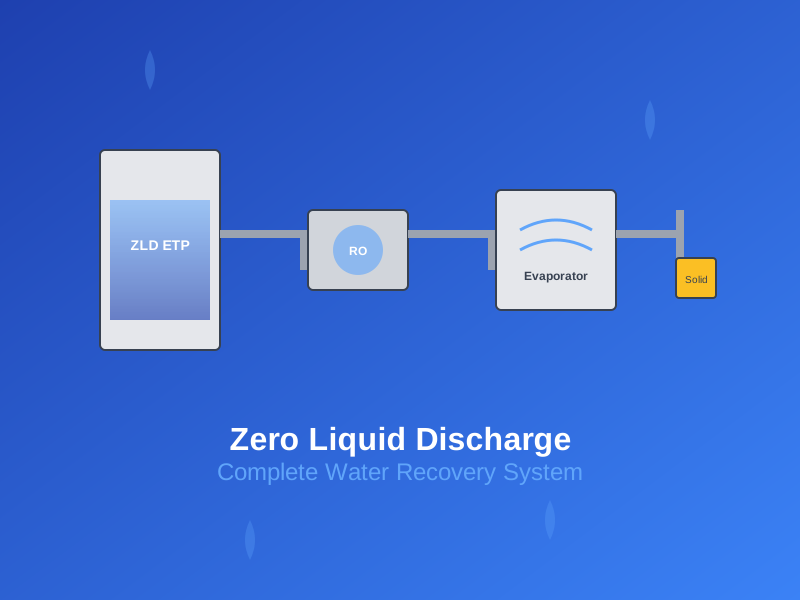
A Zero Liquid Discharge ETP (Effluent Treatment Plant) ensures that no liquid effluent is released into the environment. Instead, wastewater is treated, purified, reused, and the remaining solids are converted into dry waste for safe disposal.
With over 38+ years of expertise and 500+ completed projects, Senkar Water Tech delivers advanced Zero Liquid Discharge technologies engineered for high-salinity streams, regulatory compliance, and long-term operational efficiency.
What is a Zero Liquid Discharge ETP?
A Zero Liquid Discharge ETP is an advanced wastewater treatment system designed to:
- Recover maximum reusable water - Minimize freshwater consumption
- Eliminate liquid effluent discharge - Zero environmental impact
- Convert dissolved solids into dry residues - Safe disposal options
- Meet strict environmental regulations - Ensure compliance
Unlike conventional effluent treatment plants that discharge treated water into external water bodies, a ZLD system ensures complete water recovery and zero environmental discharge.
Why Zero Liquid Discharge is Critical in 2026
Industries today face increasing pressure from:
💧 Water Scarcity
Groundwater restrictions and limited freshwater availability
💰 Rising Costs
Increasing water procurement and disposal expenses
📋 Strict Regulations
Tighter Pollution Control Board compliance requirements
🌱 ESG Compliance
Growing sustainability and environmental responsibility demands
For industries such as textiles, pharmaceuticals, chemicals, and power plants, Zero Liquid Discharge is no longer optional; it is becoming essential for continued operation and environmental responsibility.
Key Benefits of Zero Liquid Discharge ETP
1. Cost Reduction & Long-Term ROI
Although ZLD systems require advanced technologies, a well-engineered system significantly lowers lifecycle costs.
Key advantages include:
- Reduced freshwater intake - Lower water procurement costs
- Lower discharge and compliance-related expenses - Avoid penalties
- Reduced dependency on municipal or external water sources - Operational independence
- Strong return on investment over time - Long-term financial benefits
Senkar Water Tech integrates energy-efficient RO systems and energy recovery devices to optimize power consumption and improve financial viability.
2. Enhanced Treatment Efficiency
A properly designed Zero Liquid Discharge ETP delivers:
- High water recovery rates - Maximum reuse potential
- Stable operation under fluctuating wastewater loads - Consistent performance
- Reliable membrane performance - Extended equipment life
- Improved downstream system efficiency - Optimized processes
With advanced membrane technologies such as RO and UF systems, Senkar ensures consistent performance even for complex and high-TDS industrial wastewater.
3. Environmental Sustainability
Zero discharge eliminates environmental risks associated with treated effluent release.
Environmental benefits include:
- Zero liquid effluent discharge - Complete environmental protection
- Reduced groundwater contamination risks - Safeguard water resources
- Support for circular water economy models - Sustainable resource use
- Compliance with sustainability mandates - ESG alignment
Senkar's sustainable engineering approach focuses on environmentally responsible, energy-optimized solutions.
Core Technologies Used in Zero Liquid Discharge ETP
1. Advanced ETP Processes (Primary & Secondary Treatment)
The ZLD process begins with robust primary and secondary treatment stages that remove:
- Suspended solids - Physical filtration and sedimentation
- Oil and grease - Chemical and mechanical separation
- Organic contaminants (BOD/COD) - Biological treatment processes
This stage ensures optimal feed quality before entering membrane recovery systems.
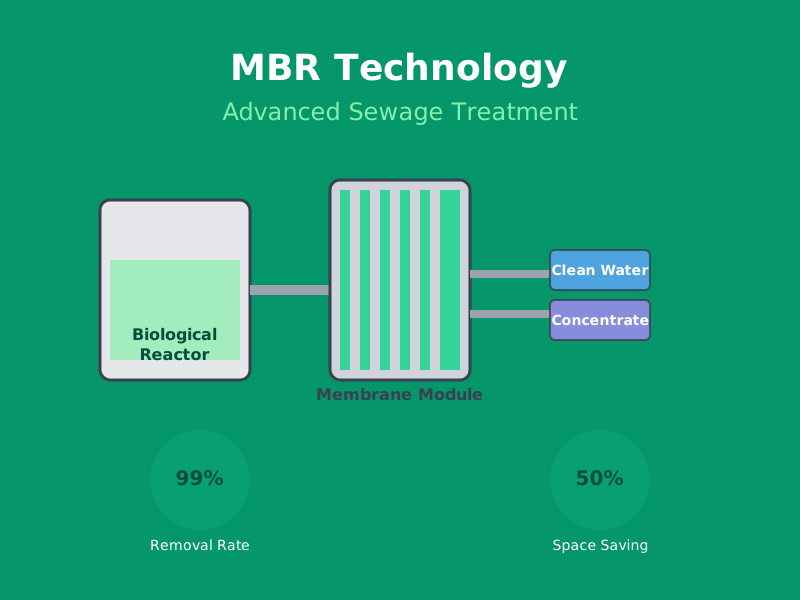
2. Membrane-Based Recovery Systems (RO & UF)
Reverse Osmosis (RO) forms the core of every Zero Liquid Discharge ETP.
Senkar Water Tech designs high-recovery membrane systems that include:
- Advanced RO membranes - High rejection rates and durability
- Ultrafiltration (UF) pre-treatment - Membrane protection
- Precision chemical dosing - Optimized performance
- Energy recovery devices - Reduced power consumption
These systems recover a major portion of reusable water while ensuring stable performance and extended membrane life.
3. Thermal Concentration Technologies (Evaporators & Crystallisers)
The RO reject stream is further treated using:
- Multiple-effect evaporators (MEE) - Energy-efficient concentration
- Forced circulation evaporators - High-salinity handling
- Crystallisers - Solid waste generation
These technologies handle high TDS streams and convert dissolved solids into dry waste, ensuring true Zero Liquid Discharge.
Compliance Challenges in 2026
While ZLD offers long-term benefits, industries must address several challenges:
1. High Initial Investment
ZLD systems involve advanced membrane and thermal technologies, increasing capital expenditure.
Senkar's Approach: Optimized system design, lifecycle cost analysis, and energy-efficient configurations reduce long-term operational costs.
2. Energy Consumption
Thermal systems can be energy-intensive if not properly engineered.
Senkar's Approach: Integration of energy recovery solutions and optimized evaporator systems to minimize energy demand.
3. Handling High-Salinity & Variable Wastewater
Industries often produce fluctuating wastewater loads.
Senkar's Approach: Custom engineering based on detailed water quality analysis and tailored system design ensures stable operation.
4. Evolving Regulatory Standards
Environmental norms continue to tighten across industrial sectors.
Senkar's Approach: Systems are designed to meet current and anticipated compliance requirements, ensuring long-term regulatory security.
Industries Benefiting from Zero Liquid Discharge
Zero Liquid Discharge ETP systems are widely adopted in:
Textile & Dyeing
Chemical Plants
Pharmaceuticals
Power Plants
Beverages
Manufacturing
Senkar Water Tech combines global industry expertise with advanced membrane and chemical solutions to deliver customized ZLD systems across sectors.
Integrated Industrial Water Management
A Zero Liquid Discharge ETP performs best when integrated within a complete water management strategy.
Senkar Water Tech provides:
- Consultation and water quality analysis - Comprehensive assessment
- Custom engineering and technical design - Tailored solutions
- Professional installation and commissioning - Expert implementation
- 24/7 monitoring and preventive maintenance - Reliable operation
This integrated approach improves recovery efficiency, protects membrane systems, and enhances overall plant reliability.
The Future of Zero Liquid Discharge in 2026 and Beyond
The future of industrial wastewater management lies in:
- Smart automation and real-time monitoring - IoT-enabled systems
- Energy-optimised membrane systems - Next-generation efficiency
- Hybrid membrane-thermal recovery solutions - Integrated approaches
- Circular water reuse models - Closed-loop systems
- ESG-driven sustainability frameworks - Responsible operations
Industries investing in Zero Liquid Discharge today are building long-term resilience, regulatory security, and sustainable operational growth.
Ready to Implement Zero Liquid Discharge?
If your industry is facing water scarcity, strict discharge norms, or rising water costs, Senkar Water Tech can deliver a customized Zero Liquid Discharge ETP solution designed for complete water recovery and long-term compliance.
Contact Senkar Water Tech today to implement advanced Zero Liquid Discharge technologies tailored to your industrial requirements.