Tiruppur’s Expanding Textile Industry and Its Wastewater Challenges
Tiruppur has established itself as one of India’s leading textile manufacturing and export centres, particularly known for knitwear production, dyeing facilities, and garment processing units. With thousands of textile industries operating continuously to meet domestic and international demand, wastewater generation has become one of the sector’s biggest operational concerns. Among the many challenges faced by textile manufacturers, sludge management remains a critical issue that directly impacts treatment efficiency, environmental compliance, and operational costs.
During textile wastewater treatment, large quantities of sludge are generated from dye residues, suspended solids, chemicals, and organic contaminants. Managing this sludge effectively is essential for maintaining efficient effluent treatment operations. This is where Sludge Dewatering Chemicals play a major role in improving sludge handling and reducing treatment complications.
Why Sludge Management is Crucial for Textile Industries
Textile processing units generate sludge with high moisture content, making storage, transportation, and disposal extremely difficult. Wet sludge occupies more space, increases transportation frequency, and significantly raises disposal expenses. Without proper sludge treatment, industries may also experience equipment inefficiencies and environmental risks.
By using advanced Sludge Dewatering Chemicals, textile industries can reduce sludge volume and improve the efficiency of mechanical dewatering systems such as filter presses, centrifuges, and screw presses. These chemicals help separate water from sludge more effectively, resulting in reduced waste generation and lower operational costs.
The Complexity of Textile Wastewater Treatment
Textile wastewater is highly complex due to the wide range of chemicals used during dyeing, bleaching, washing, and finishing processes. Dyes, salts, surfactants, fixing agents, and bleaching compounds create sludge containing fine suspended particles that are difficult to separate through mechanical treatment alone.
Efficient Sludge Dewatering Chemicals help aggregate these fine particles into larger flocs, enabling faster water separation and improved sludge conditioning. This process enhances the performance of wastewater treatment systems and allows textile industries to achieve more consistent dewatering results.
Reducing Sludge Disposal Costs with Efficient Dewatering
For textile manufacturers in Tiruppur, operational efficiency directly influences profitability. One of the major advantages of using Sludge Dewatering Chemicals is the reduction in sludge handling and disposal costs. Lower moisture content means reduced sludge volume, which automatically decreases transportation expenses and landfill requirements.
Efficient sludge treatment also minimises downtime and improves the productivity of effluent treatment plants. By investing in high-performance Sludge Dewatering Chemicals, textile industries can optimise wastewater treatment operations while achieving long-term cost savings.
Meeting Environmental Compliance Standards
Environmental regulations for textile industries continue to become more stringent, particularly concerning wastewater discharge and sludge disposal practices. Textile manufacturers are required to follow strict pollution control guidelines to protect water resources and surrounding ecosystems.
Reliable Sludge Dewatering Chemicals help industries improve sludge separation and overall treatment efficiency, making it easier to comply with environmental standards. Proper sludge conditioning reduces the risk of non-compliance, penalties, and operational interruptions while supporting responsible wastewater management practices.
Managing Fluctuating Wastewater Conditions
Textile wastewater characteristics frequently vary depending on production volume, fabric type, colour combinations, and processing techniques. These fluctuations can create challenges in sludge treatment and dewatering performance.
High-quality Sludge Dewatering Chemicals are formulated to adapt to changing sludge compositions and varying industrial conditions. Their ability to deliver stable and consistent performance makes them highly valuable for textile industries operating under dynamic production environments.
Improving Dewatering Equipment Performance
Mechanical dewatering systems perform efficiently only when sludge is properly conditioned before treatment. Poor sludge quality can lead to filter clogging, reduced throughput, increased maintenance, and higher energy consumption.
The right Sludge Dewatering Chemicals improve sludge characteristics and enhance the performance of filter presses and centrifuges. Better sludge conditioning results in smoother equipment operation, improved filtration efficiency, and reduced maintenance requirements for textile industries.
Supporting Sustainable Textile Manufacturing
Sustainability has become an important focus for textile exporters and manufacturers across Tiruppur. International buyers increasingly prefer textile suppliers that demonstrate strong environmental responsibility and efficient wastewater management practices.
By using effective Sludge Dewatering Chemicals, textile industries can reduce waste generation, minimise environmental impact, and strengthen their sustainability initiatives. Efficient sludge management also supports cleaner production practices and enhances the industry’s long-term environmental performance.
Enabling Water Recycling and Reuse
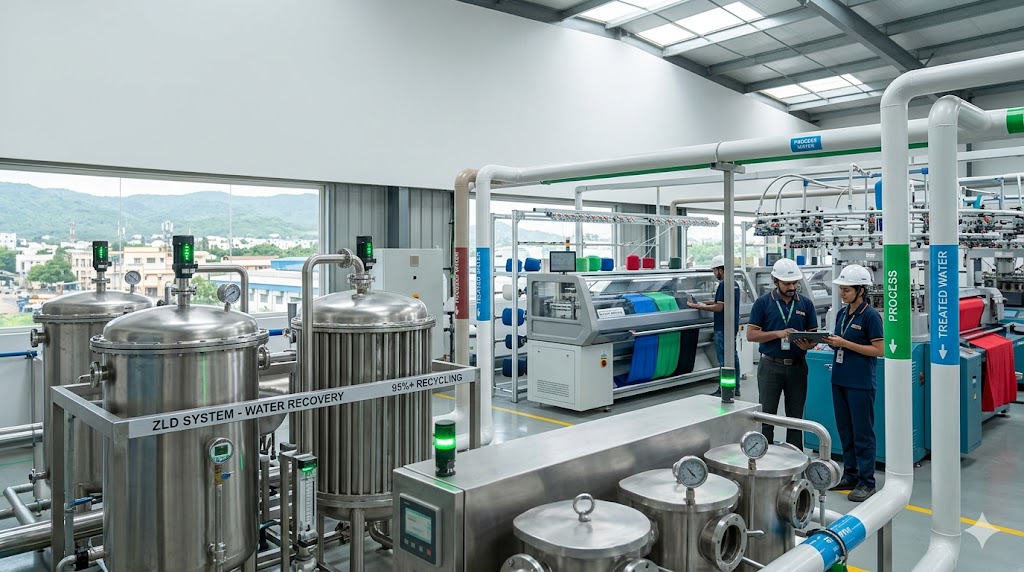
Water recycling has become essential for textile processing industries facing increasing water scarcity and environmental regulations. However, inefficient sludge treatment can affect the performance of recycling systems and increase operational complexity.
Advanced Sludge Dewatering Chemicals improve sludge handling and support the smooth operation of wastewater recycling systems. Efficient sludge reduction helps textile industries maintain better water recovery processes and improve overall treatment efficiency.
Choosing the Right Sludge Dewatering Chemicals
The effectiveness of Sludge Dewatering Chemicals depends on multiple factors, including sludge composition, treatment methods, pH levels, and plant capacity. Textile industries require customised chemical solutions that match their specific wastewater treatment requirements.
Senkar Water Tech offers advanced Sludge Dewatering Chemicals designed to improve sludge reduction, optimise dewatering performance, and support environmental compliance for textile industries. With expertise in industrial wastewater treatment solutions, the company helps textile manufacturers achieve efficient and cost-effective sludge management.
Building a Sustainable Textile Future
As textile industries in Tiruppur continue to expand production and strengthen sustainability commitments, efficient sludge management has become more important than ever. From reducing sludge volume and improving equipment performance to supporting environmental compliance and water recycling, Sludge Dewatering Chemicals play a critical role in modern textile wastewater treatment systems.
For textile manufacturers seeking long-term operational efficiency and sustainable wastewater management, investing in the right Sludge Dewatering Chemicals is no longer optional. It is an essential step toward building a cleaner, more efficient, and future-ready textile manufacturing ecosystem.