How Textile Manufacturers Can Reduce Water Pollution Safely
SWT
Senkar Water Tech
Water Treatment Expert
Jun 12, 2026 • 6 min read
Learn practical ways textile manufacturers can reduce water pollution, cut wastewater, and improve sustainability with smart treatment solutions. Act now!
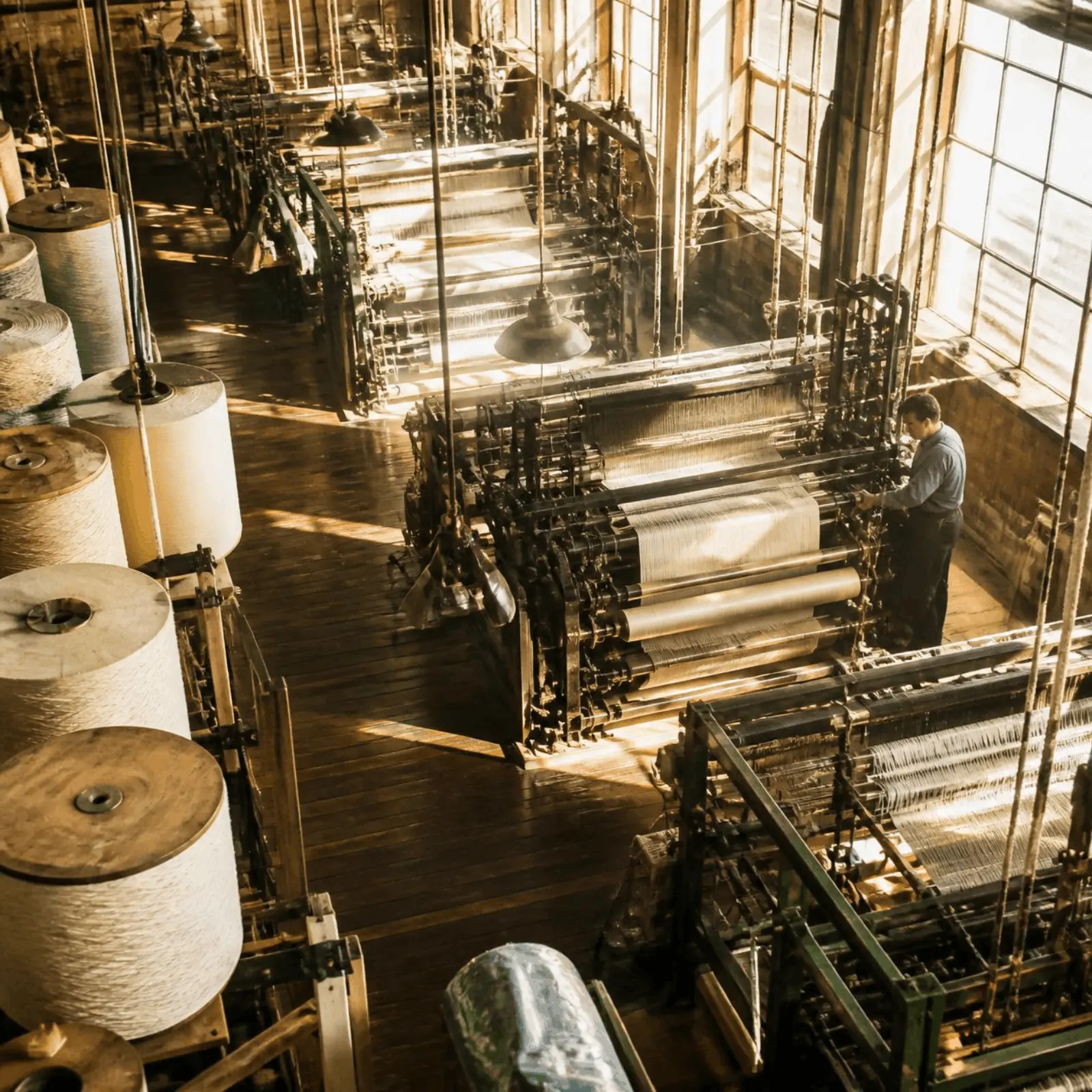
The textile industry is one of the largest consumers of water worldwide, making water pollution a significant environmental concern. From dyeing and washing to finishing fabrics, textile manufacturing generates large volumes of wastewater containing dyes, chemicals, heavy metals, and suspended solids. If this wastewater is discharged without proper treatment, it can contaminate rivers, lakes, and groundwater, harming ecosystems and public health.
Fortunately, modern technologies such as ETP technology for textile industry and Zero Liquid Discharge ETP systems enable textile manufacturers to reduce water pollution while improving operational efficiency and meeting environmental regulations. By adopting responsible wastewater management, manufacturers not only protect natural resources but also reduce operating costs, strengthen their brand reputation, and contribute to a more sustainable future.
This article explores practical strategies that textile manufacturers can implement to reduce water pollution safely and effectively.
Why Water Pollution Is a Major Challenge in Textile Manufacturing
Textile production involves several water-intensive processes, including bleaching, dyeing, printing, rinsing, and finishing. These operations generate wastewater containing:
Synthetic dyes
Salts and acids
Detergents and surfactants
Heavy metals
Suspended solids
Organic chemicals
Without proper treatment, these pollutants reduce water quality, affect aquatic life, and make water unsuitable for agricultural or domestic use. Environmental regulations are becoming stricter, making wastewater treatment an essential part of textile manufacturing.
Conduct a Water Usage Assessment
Reducing water pollution begins with analyzing water usage throughout the manufacturing process. A detailed water audit helps identify areas where excessive water is consumed and where wastewater is generated.
Manufacturers should monitor:
Water consumption at each production stage
Wastewater generation volumes
Chemical usage
Points where water can be reused
This information helps industries develop targeted strategies for reducing pollution and improving water efficiency.
Install an Efficient Effluent Treatment Plant (ETP)
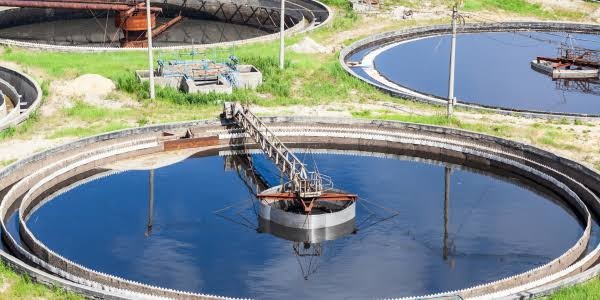
An Effluent Treatment Plant (ETP) is one of the most effective solutions for treating textile wastewater before discharge or reuse.
A modern ETP typically includes:
Screening to remove large particles
Equalization tanks for flow balancing
Biological treatment to remove organic matter
Chemical treatment for color and contaminants
Filtration and disinfection
Properly treated wastewater meets environmental standards and can often be reused for industrial applications, reducing freshwater demand.
Optimize Chemical Usage
Many water pollution issues begin with excessive chemical use during textile processing.
Manufacturers can reduce pollution by:
Using eco-friendly dyes and chemicals
Following recommended chemical dosages
Replacing hazardous substances with biodegradable alternatives
Training employees on proper chemical handling
Reducing chemical consumption not only minimizes wastewater contamination but also lowers production costs.
Recycle and Reuse Treated Water
Instead of disposing of treated wastewater, textile manufacturers can reuse it for non-critical operations such as:
Floor cleaning
Equipment washing
Cooling systems
Boiler feed (after advanced treatment)
Gardening and landscaping
Water recycling significantly reduces freshwater consumption while lowering wastewater discharge.
Adopt Advanced Wastewater Treatment Technologies
Modern treatment technologies improve wastewater quality and increase water recovery.
Some of the most effective solutions include:
Reverse Osmosis (RO)
Ultrafiltration (UF)
Membrane Bioreactors (MBR)
Activated Carbon Filtration
UV Disinfection
Zero Liquid Discharge (ZLD) systems
The International Water Association (IWA) provides valuable resources on advanced wastewater treatment technologies and sustainable water management practices for industries.
Reduce Water Consumption During Production
Reducing water usage directly lowers the amount of wastewater generated.
Manufacturers can achieve this by:
Installing water-efficient dyeing machines
Using low-liquor ratio dyeing techniques
Reusing rinse water
Repairing leaks promptly
Automating water flow controls
Even small improvements in water efficiency can result in significant environmental and financial benefits.
Implement Zero Liquid Discharge (ZLD)
A Zero liquid discharge ETP is an advanced wastewater management solution that recovers nearly all water from industrial effluent. By combining advanced filtration, evaporation, and crystallisation technologies, it minimises wastewater discharge while maximising water reuse.
In a ZLD system:
Wastewater undergoes multiple treatment stages.
Clean water is recovered for reuse.
Remaining dissolved solids are converted into dry waste for safe disposal.
Although ZLD requires a higher initial investment, it provides long-term savings by reducing freshwater usage and eliminating liquid wastewater discharge.
Monitor Wastewater Quality Regularly
Continuous monitoring ensures that treatment systems operate efficiently and comply with environmental regulations.
Important parameters include:
pH
Biological Oxygen Demand (BOD)
Chemical Oxygen Demand (COD)
Total Dissolved Solids (TDS)
Color
Suspended solids
Regular testing allows manufacturers to identify issues early and maintain consistent wastewater quality.
Train Employees on Sustainable Practices
Employees play an important role in reducing water pollution.
Training programs should cover:
Efficient water usage
Chemical handling procedures
Waste segregation
Equipment maintenance
Pollution prevention practices
A well-trained workforce helps maintain sustainable operations and ensures compliance with environmental standards.
Benefits of Reducing Water Pollution
Implementing effective wastewater management provides several advantages:
Reduces environmental impact
Conserves freshwater resources
Improves compliance with pollution control regulations
Lowers water procurement costs
Reduces wastewater treatment expenses
Enhances brand reputation
Supports sustainability goals
Increases operational efficiency
Sustainable water management also strengthens relationships with customers, investors, and regulatory authorities.
Frequently Asked Questions
Why does the textile industry produce polluted wastewater?
Textile manufacturing generates wastewater containing dyes, chemicals, detergents, and finishing agents during processes such as dyeing, washing, printing, and fabric finishing.
Can treated textile wastewater be reused?
Yes. Properly treated wastewater can be reused for cooling, cleaning, landscaping, boiler feed (after advanced treatment), and other industrial applications.
Which wastewater treatment solution is most effective for textile industries?
The ideal solution depends on wastewater characteristics. Many facilities combine Effluent Treatment Plants (ETPs), Reverse Osmosis (RO), Membrane Bioreactors (MBR), and Zero Liquid Discharge (ZLD) systems for maximum efficiency.
How can textile manufacturers reduce chemical pollution?
They can use environmentally friendly chemicals, optimize chemical dosing, improve process control, and treat wastewater before discharge.
Is wastewater recycling cost-effective?
Yes. Although treatment systems require an initial investment, water recycling reduces freshwater consumption, lowers operating costs, and improves long-term sustainability.
Conclusion
Reducing water pollution is no longer just a regulatory requirement—it is a smart business strategy for textile manufacturers. By investing in efficient wastewater treatment, adopting advanced recycling technologies, optimising chemical usage, and promoting responsible water management, manufacturers can significantly reduce their environmental footprint while improving productivity and profitability.
As global water resources become increasingly scarce, sustainable wastewater management will play a critical role in ensuring the long-term success of the textile industry. Companies that embrace these practices today will be better prepared to meet future environmental challenges while protecting valuable natural resources for generations to come.
Tags:Textile Industry Wastewater Treatment Pollution Control Sustainability