Industries use large volumes of water for manufacturing, cleaning, cooling, processing, and other daily operations. As industrial activity increases, wastewater generation also rises. Managing this wastewater responsibly has become essential for industries that want to reduce water consumption, meet environmental requirements, and operate more sustainably.
A Zero Liquid Discharge ETP is an advanced wastewater treatment solution designed to recover and reuse water from industrial effluent. Instead of discharging treated wastewater outside the facility, the system treats the effluent through multiple processes and separates reusable water from concentrated salts and other dissolved contaminants.
This approach helps industries reduce their dependence on fresh water while improving wastewater management. Energy Savings in RO systems can also contribute to improving the overall efficiency and operating performance of industrial water treatment processes. By optimising energy use during reverse osmosis treatment, industries can reduce operational costs while recovering more water for reuse.
Let us look at how a Zero Liquid Discharge ETP supports industrial wastewater reuse and why it is becoming an important solution for water-intensive industries.
Understanding Zero Liquid Discharge ETP
Zero Liquid Discharge, commonly known as ZLD, is a wastewater treatment approach that aims to eliminate liquid waste discharge from an industrial facility. A Zero Liquid Discharge ETP treats wastewater until the majority of the water can be recovered and reused within the industrial process.
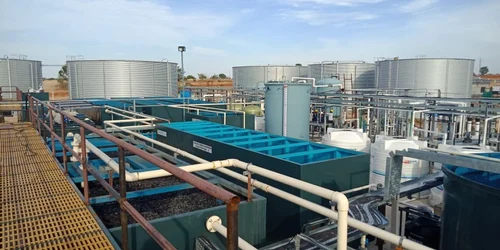
The treatment process usually involves several stages, depending on the characteristics of the wastewater. These stages may include preliminary treatment, biological treatment, membrane filtration, reverse osmosis, evaporation, and crystallisation.
The main objective is to separate water from dissolved salts, chemicals, and other contaminants. The recovered water can then be reused for suitable industrial applications, while the remaining concentrated waste is handled separately.
Reducing Dependence on Freshwater Sources
One of the biggest advantages of a Zero Liquid Discharge ETP is its ability to recover water from wastewater. Many industries depend heavily on groundwater, municipal water, or other freshwater sources for their operations. However, increasing water demand can create supply challenges and increase operating costs.
A ZLD system helps reduce this dependence by recovering treated water from industrial effluent. Instead of using freshwater for every process, industries can reuse recovered water for applications such as cooling, washing, utility operations, and other suitable processes.
As a result, industries can improve water efficiency and make better use of the resources already available within their facilities.
Converting Wastewater into a Reusable Resource
Traditional wastewater treatment systems are often designed primarily to reduce pollutants before discharge. While this approach helps control pollution, valuable water may still leave the industrial facility.
A Zero Liquid Discharge ETP takes wastewater treatment a step further. It focuses not only on contaminant removal but also on water recovery.
The process can convert a significant portion of industrial wastewater into reusable water. Advanced treatment technologies remove suspended solids, organic pollutants, dissolved salts, and other impurities based on the specific wastewater composition.
This changes the way industries view wastewater. Instead of treating it simply as a waste product, industries can consider it a potential source of water for reuse.
Supporting Water Reuse Through Advanced Treatment
Industrial wastewater can contain a complex mixture of contaminants. Depending on the industry, it may include oils, chemicals, dyes, organic matter, heavy metals, suspended solids, and high levels of total dissolved solids.
For this reason, a Zero Liquid Discharge ETP generally uses a combination of treatment technologies rather than relying on a single process.
Initial treatment stages may remove larger particles and suspended impurities. Biological or chemical treatment can help reduce specific pollutants. Membrane systems such as reverse osmosis can separate dissolved contaminants from water. Finally, thermal systems such as evaporators and crystallisers can further recover water from concentrated reject streams.
By combining these technologies, industries can produce recovered water that may be reused for appropriate applications within the facility.
Managing High-TDS Industrial Wastewater
High-TDS wastewater is one of the major challenges in industrial effluent treatment. Wastewater with a high concentration of dissolved salts can be difficult to manage using conventional treatment methods alone.
A Zero Liquid Discharge ETP is particularly useful in situations where industries need to minimise or eliminate liquid discharge. Membrane systems can recover a substantial amount of water, while evaporation and crystallisation processes can handle the concentrated reject.
The remaining salts and solids can then be collected and managed according to applicable waste-handling requirements. This makes ZLD an effective approach for industries dealing with complex and high-salinity wastewater streams.
Creating a More Sustainable Industrial Water Cycle
Water reuse is an important part of sustainable industrial operations. A Zero Liquid Discharge ETP supports a more circular approach by keeping recovered water within the industrial system for longer.
For example, wastewater generated during one process can be treated and reused in another suitable application. This reduces the need to continuously withdraw fresh water and lowers the overall volume of wastewater requiring disposal.
Over time, this can help industries create a more efficient internal water cycle. The exact reuse potential depends on factors such as wastewater quality, treatment technology, production requirements, and the quality standards required for the intended reuse application.
Helping Industries Meet Environmental Responsibilities
Industrial wastewater discharge can affect surrounding water resources if it is not properly managed. Therefore, industries need effective treatment systems that address both environmental protection and operational requirements.
A Zero Liquid Discharge ETP helps industries reduce the volume of liquid waste leaving their facilities. By recovering water and concentrating the remaining contaminants, the system provides greater control over wastewater management.
However, ZLD does not mean that wastewater management ends after treatment. The concentrated solids, salts, and other residual materials still require proper handling and disposal or recovery, depending on their composition and applicable regulations.
A well-designed system considers the entire wastewater management process rather than focusing only on water recovery.
Industries That Can Benefit from ZLD Systems
Zero Liquid Discharge systems can be useful for industries that generate wastewater with high pollutant loads or high levels of dissolved solids. Depending on wastewater characteristics and regulatory requirements, ZLD solutions may be considered in industries such as textile processing, pharmaceuticals, chemicals, power generation, food processing, and other manufacturing sectors.
However, ZLD is not a one-size-fits-all solution. The treatment design should be based on a detailed analysis of wastewater quantity, quality, contaminant concentration, and the intended reuse requirements.
A customised approach helps ensure that the treatment system delivers effective water recovery while maintaining reliable and efficient operation.
Conclusion
A Zero Liquid Discharge ETP helps industries move towards smarter and more sustainable wastewater management by recovering valuable water from industrial effluent. Through a combination of treatment technologies, it separates reusable water from concentrated contaminants and reduces the need for continuous freshwater consumption.
As part of effective Industrial wastewater treatment solutions, ZLD supports water conservation, resource recovery, and improved control over industrial effluent. With the right system design and treatment approach, industries can transform wastewater from an operational challenge into a valuable resource for reuse.
As industries continue to focus on efficient water management, a well-designed Zero Liquid Discharge ETP can play an important role in building a more sustainable and responsible industrial water cycle.