How to Choose the Right Zero Liquid Discharge ETP for Your Industry
Industrial wastewater management has become one of the biggest challenges for modern businesses. As environmental regulations become stricter and freshwater resources become increasingly limited, industries need reliable industrial wastewater treatment solutions that reduce water waste while ensuring compliance. This is where a Zero Liquid Discharge ETP (Effluent Treatment Plant) plays a vital role.
A well-designed Zero Liquid Discharge (ZLD) system not only treats wastewater but also recovers and reuses water, helping industries reduce operating costs and protect the environment. However, selecting the right system requires more than comparing equipment or prices. Every industry has unique wastewater characteristics, production demands, and compliance requirements.
This guide explains the essential factors to consider when choosing the right Zero Liquid Discharge ETP for your business.
What Is a Zero Liquid Discharge ETP?
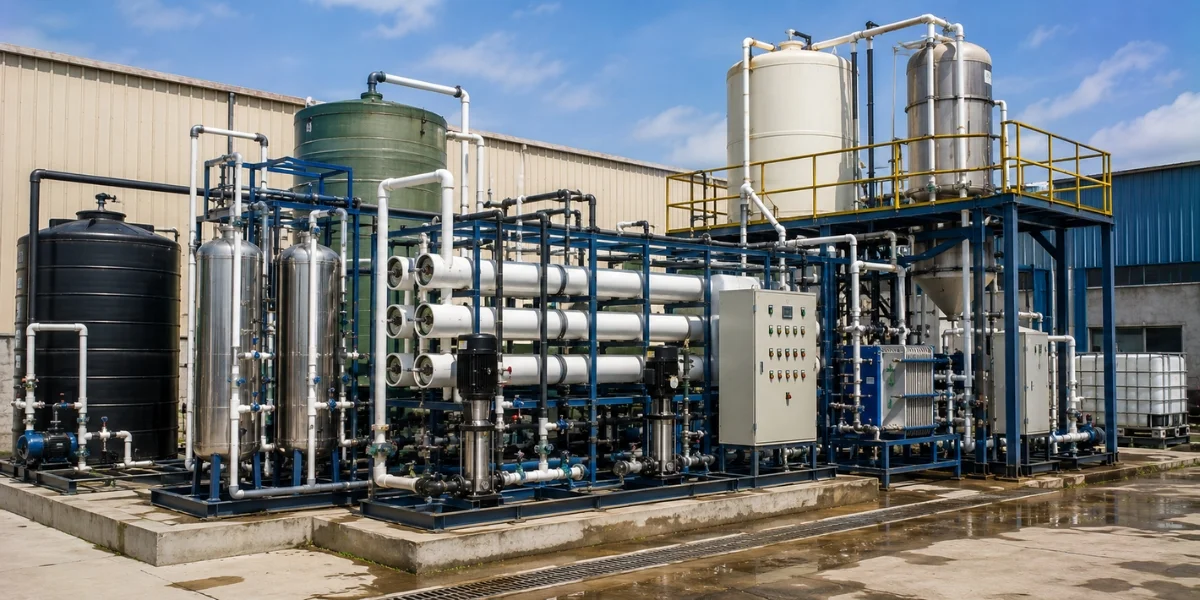
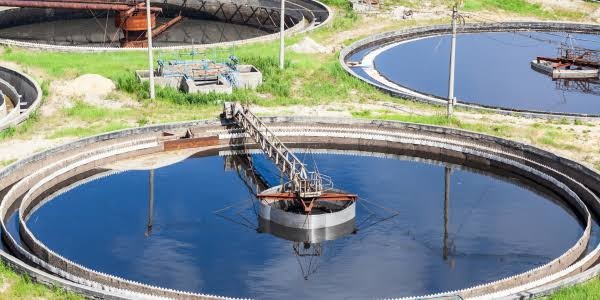
A Zero Liquid Discharge ETP is an advanced wastewater treatment system designed to recover nearly all water from industrial effluent. Instead of releasing treated wastewater into rivers, lakes, or municipal drains, the system separates contaminants, recovers clean water, and converts the remaining waste into solid residue for safe disposal.
A complete ZLD system typically includes:
- Pre-treatment processes
- Biological or chemical treatment
- Membrane filtration
- Reverse Osmosis (RO)
- Evaporators
- Crystallizers
- Solid waste handling systems
The recovered water can be reused for industrial operations such as cooling, washing, boiler feed, or process applications.
Why Choosing the Right ZLD System Matters
Selecting the right Zero Liquid Discharge ETP is one of the most effective industrial wastewater treatment solutions for industries aiming to reduce water consumption, improve efficiency, and meet environmental standards.
- Higher operating costs
- Poor water recovery
- Frequent maintenance
- Increased energy consumption
- Regulatory compliance issues
- Production downtime
Choosing the right Zero Liquid Discharge ETP ensures long-term reliability, efficient water reuse, and better return on investment.
1. Understand Your Wastewater Characteristics
The first step is to analyse the quality of wastewater generated by your facility.
Important parameters include:
- Total Dissolved Solids (TDS)
- Chemical Oxygen Demand (COD)
- Biological Oxygen Demand (BOD)
- pH level
- Oil and grease
- Heavy metals
- Suspended Solids
- Organic contaminants
Industries such as pharmaceuticals, textiles, chemicals, food processing, and power plants all produce wastewater with different characteristics. A customised treatment solution performs much better than a standard design.
2. Evaluate Daily Wastewater Volume
Treatment capacity is one of the most important factors.
Ask questions such as:
- How much wastewater is produced every day?
- Does wastewater flow remain constant?
- Are there seasonal production increases?
- Is future expansion planned?
Installing an undersized system can overload the plant, while an oversized system increases unnecessary investment and operating costs.
Choose a system that can handle both current and future wastewater generation.
3. Check Water Recovery Efficiency
The primary objective of a Zero Liquid Discharge ETP is maximum water recovery.
A high-quality system should recover a significant percentage of wastewater for reuse while producing minimal solid waste.
Higher recovery means:
- Lower freshwater consumption
- Reduced water procurement costs
- Improved sustainability
- Better resource utilisation
Always compare water recovery performance before selecting a supplier.
4. Focus on Energy Efficiency
Energy consumption represents a major portion of ZLD operating costs.
Modern systems incorporate:
- Energy-efficient pumps
- Advanced Reverse Osmosis membranes
- Heat recovery systems
- Optimised evaporators
- Smart automation controls
Selecting an energy-efficient system helps reduce long-term operational expenses while maintaining treatment performance.
5. Choose the Right Treatment Technology
Different industries require different treatment technologies.
A reliable Zero Liquid Discharge ETP may include:
- Ultrafiltration (UF)
- Reverse Osmosis (RO)
- Multi-Effect Evaporators (MEE)
- Mechanical Vapour Recompression (MVR)
- Crystallizers
- Membrane filtration systems
The correct combination depends on wastewater composition, recovery targets, and operating costs.
Avoid choosing systems based solely on equipment specifications. Instead, focus on complete process optimisation.
6. Ensure Regulatory Compliance
Environmental regulations continue to become stricter worldwide.
Your ZLD system should comply with applicable pollution control standards while ensuring safe disposal of solid waste.
A compliant system helps industries:
- Avoid environmental penalties
- Reduce legal risks
- Maintain production continuity
- Improve environmental performance
- Strengthen corporate reputation
Working with experienced treatment specialists helps ensure compliance throughout the system's lifespan.
7. Consider Automation and Monitoring
Modern wastewater treatment plants are increasingly automated.
Features to look for include:
- PLC-based control systems
- Real-time monitoring
- Automatic chemical dosing
- Remote operation
- Alarm notifications
- Performance analytics
Automation improves efficiency, reduces human error, and simplifies plant operation.
8. Assess Maintenance Requirements
Even the best treatment system requires regular maintenance.
Before purchasing, understand:
- Membrane replacement intervals
- Chemical consumption
- Spare parts availability
- Cleaning procedures
- Service support
- Preventive maintenance schedules
A system that is easy to maintain reduces downtime and extends equipment life.
9. Evaluate the Supplier's Experience
The success of a Zero Liquid Discharge ETP depends heavily on the expertise of the solution provider.
Choose a company with experience in:
- Industrial wastewater treatment
- Custom system design
- Installation and commissioning
- Technical support
- Performance optimisation
- After-sales service
Experienced suppliers understand industry-specific challenges and provide solutions tailored to your requirements.
10. Consider the Total Cost of Ownership
The lowest initial investment does not always deliver the best long-term value.
Evaluate the complete lifecycle cost, including:
- Initial investment
- Energy consumption
- Chemical costs
- Maintenance expenses
- Equipment lifespan
- Water savings
- Operational efficiency
A high-quality system often delivers lower operating costs over many years, making it a smarter long-term investment.
Industries That Benefit from Zero Liquid Discharge ETP
Zero Liquid Discharge systems are widely used across industries such as:
- Pharmaceutical manufacturing
- Chemical processing
- Textile industries
- Food and beverage processing
- Power plants
- Steel manufacturing
- Paper and pulp industries
- Electronics manufacturing
Each sector benefits from improved water recovery, regulatory compliance, and sustainable wastewater management.
Final Thoughts
Choosing the right Zero Liquid Discharge ETP is a strategic investment that goes beyond wastewater treatment. The ideal system should match your industry's wastewater characteristics, deliver high water recovery, minimise energy consumption, and comply with environmental regulations.
By carefully evaluating treatment capacity, technology, automation, maintenance requirements, and supplier expertise, businesses can build a reliable wastewater management system that supports long-term operational efficiency and sustainability.
As industries continue to prioritise water conservation and environmental responsibility, investing in the right Zero Liquid Discharge ETP ensures cleaner production, reduced operating costs, and a more sustainable future.