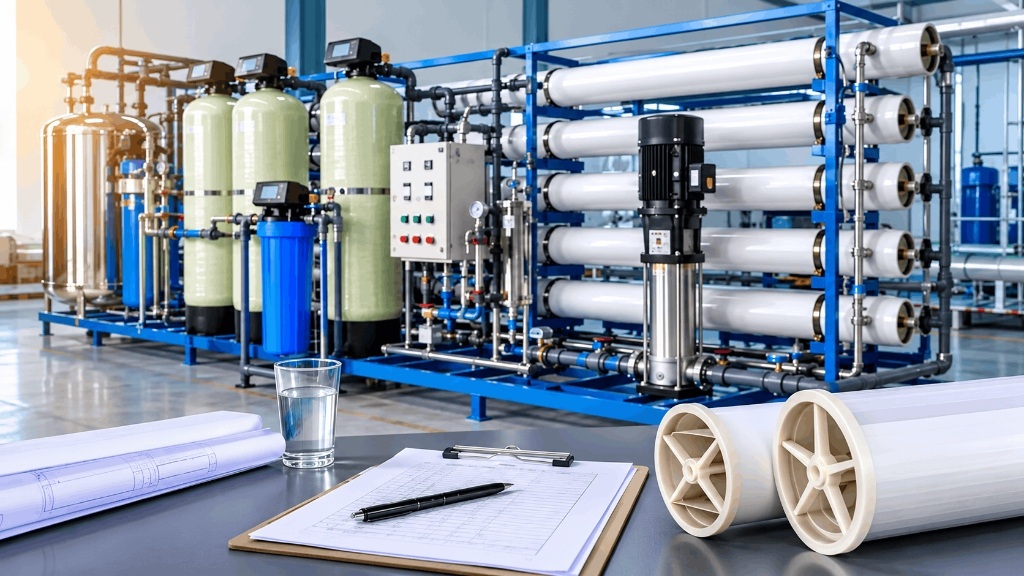
An industrial reverse osmosis (RO) system should be designed around the water entering the facility and the quality required for production. Water from borewells, municipal supplies, surface sources and industrial processes can vary significantly in mineral content, suspended particles and organic matter. A system that performs well with one source may need different pretreatment and operating conditions when the water profile changes.
For applications that need to remove heavy metals from industrial effluent, water analysis helps identify the contaminants present and determine whether RO should be combined with suitable pretreatment or additional treatment stages.
Selecting the right industrial RO system begins with a reliable water analysis and a clear understanding of the application. These details help engineers plan the treatment stages, select suitable equipment and set realistic operating targets.
Begin with a Detailed Water Analysis
A recent laboratory report gives the design team a sound basis for planning the treatment process. Important parameters may include total dissolved solids (TDS), conductivity, hardness, silica, iron, manganese, turbidity, suspended solids, pH, alkalinity and organic matter. Microbiological parameters may also be relevant, depending on the water source and intended use.
TDS alone does not provide a complete picture of water quality. Two water sources with similar TDS levels may contain different minerals or particles, which can affect membrane performance in different ways. A full analysis helps identify potential scaling, fouling and corrosion concerns before the system is designed.
Water quality can also change over time. Seasonal variation, changes in the source or fluctuations in industrial production may affect the feed water. Facilities with variable water quality can benefit from analysing samples collected at different operating periods.
Match Pretreatment to the Water Profile
Pretreatment protects the RO membranes and supports stable system operation. Its configuration depends on the impurities found in the feed water and the conditions under which the plant will operate.
Water containing suspended particles or high turbidity may require filtration before it reaches the RO unit. Hardness and scale-forming minerals may call for softening or a suitable antiscalant programme. Iron, manganese, silica and organic matter also need to be assessed because they may affect membrane performance, cleaning frequency and system reliability. For saline feed water, high TDS water treatment solutions may be considered as part of the overall treatment design.
The pretreatment stages should be selected according to the water analysis and the application. Adding unnecessary treatment can increase equipment and operating requirements, while insufficient pretreatment may contribute to membrane fouling or scaling. A water-specific design helps balance protection, performance and operating needs.
Define the Treated-Water Requirement
The intended use of the treated water determines the quality targets for the system. Water used for process operations, rinsing, boiler feed or other applications may have different requirements. These targets should be confirmed before finalising the RO design.
The system should also reflect the facility’s average and peak water demand, operating hours and production schedule. A plant operating continuously may have different storage and control requirements from one that runs in scheduled production batches. Considering these conditions helps the design support the process without relying on incomplete demand estimates.
Where the treated water will pass through additional polishing or treatment stages, those stages should be included in the overall design plan. This creates a clearer understanding of the complete treatment train and the quality expected at each point.
Review Recovery and Reject-Water Management
An RO system produces treated water and a concentrated reject stream. The planned recovery rate influences the volume of both streams and the system’s operating conditions. Recovery should be selected with the feed-water composition, treatment design and facility requirements in mind.
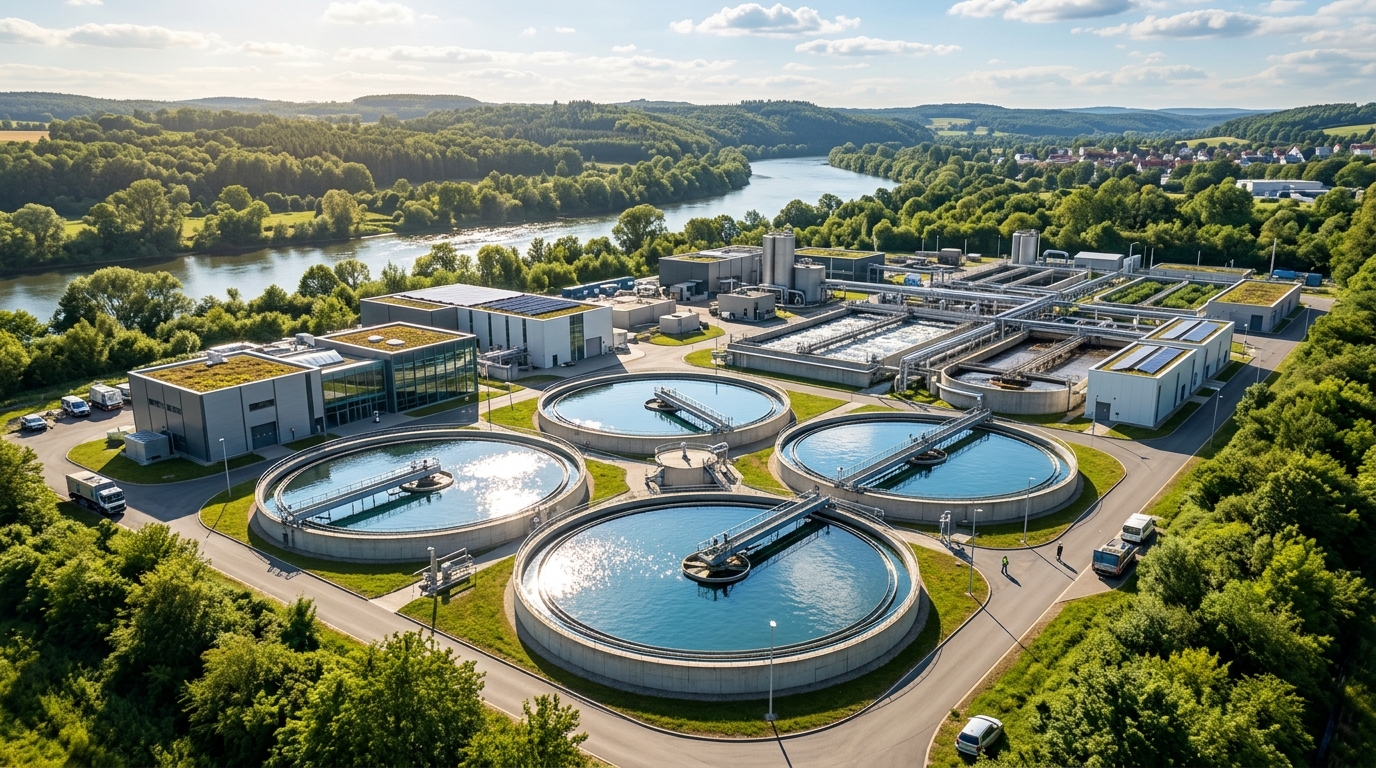
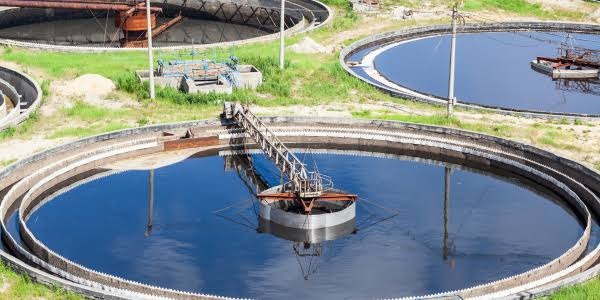
Reject water should form part of the facility’s overall water-management plan. Depending on its composition and site requirements, it may need further treatment, reuse or appropriate disposal. Facilities handling high-TDS wastewater or strict discharge requirements may need to integrate RO with other treatment stages, such as an effluent treatment plant or Zero Liquid Discharge system.
A complete design review considers where the reject stream will go and how its volume and quality may affect downstream processes. Planning this early can help avoid operational constraints after installation.
Consider Energy and Operating Requirements
Energy consumption depends on feed-water characteristics, system design, operating pressure and production requirements. The energy needs of an industrial RO system should be assessed using the actual water analysis and proposed operating conditions. Energy recovery options may also be reviewed where they are suitable for the application.
Long-term operation involves more than electricity use. The facility should consider routine monitoring, membrane cleaning, chemical consumption, maintenance intervals and replacement requirements. These factors influence the overall operating plan and should be reviewed alongside the initial equipment investment.
A proposal should clearly state the assumptions used for feed-water quality, flow, recovery and treated-water requirements. Clear design assumptions make it easier for the facility team to compare options and understand the expected operating conditions.
Choose a System Designed for Your Facility
A reliable industrial RO system is based on the relationship between feed-water quality, pretreatment, treated-water requirements, recovery targets and operating conditions. Reviewing these factors together helps create a system suited to the facility instead of relying on a generic design.
Senkar Watertech provides industrial water treatment solutions, including RO and UF systems. Its team can assess a facility’s water analysis, application requirements and operating needs to develop a suitable treatment approach. Sharing accurate water data at the planning stage helps create a clearer path from system selection to installation and ongoing operation.