The textile industry depends heavily on water throughout processes such as washing, dyeing, bleaching, printing, finishing, and cleaning. While water is essential for production, these activities also generate large volumes of wastewater containing dyes, chemicals, suspended solids, organic pollutants, salts, and other contaminants. Managing this wastewater effectively has become one of the most important operational and environmental responsibilities for textile manufacturers.
Traditional treatment methods may not always be sufficient to handle the complex and changing nature of textile effluent. Wastewater quality can vary depending on the fabric, dyes, chemicals, and production processes used. This is why advanced ETP technology plays an important role in helping textile industries improve wastewater treatment, recover water, reduce pollution, and support sustainable operations. Similar innovations in ETP technology for chemical industry applications also demonstrate how advanced treatment systems can manage complex industrial effluents containing a wide range of contaminants.
Understanding the Challenges of Textile Wastewater
Textile wastewater is different from ordinary wastewater because it often contains a complex combination of pollutants. Dyeing and processing activities can produce highly coloured effluent, while washing and finishing processes may add detergents, chemicals, oils, and organic matter to the wastewater stream.
One of the major challenges is the high variation in wastewater characteristics. The quality and quantity of effluent may change throughout the day based on production schedules and processes. An effective ETP must therefore be capable of handling fluctuating pollutant loads without affecting treatment performance.
High Chemical Oxygen Demand (COD) and Biochemical Oxygen Demand (BOD) are also common concerns. These parameters indicate the presence of organic pollutants that can reduce oxygen levels in receiving water bodies if discharged without proper treatment.
In addition, textile wastewater may contain high levels of total dissolved solids, colour, salts, and suspended particles. These contaminants can make treatment more difficult and limit the possibility of directly reusing the treated water.
The Role of Advanced ETP Technology
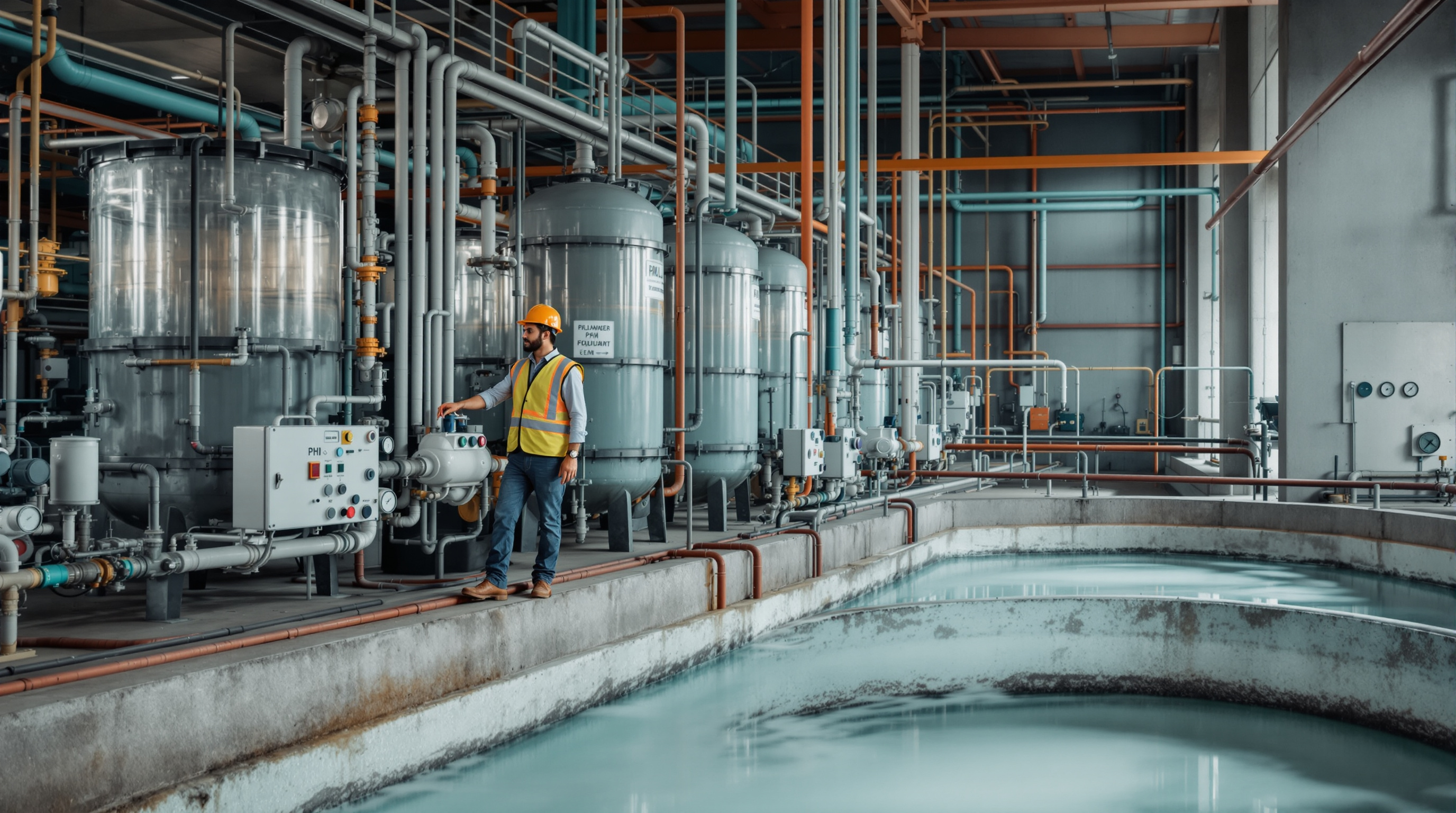
Advanced Effluent Treatment Plant technology combines different physical, chemical, biological, and membrane-based treatment processes to address complex industrial wastewater. Instead of depending on a single treatment method, an integrated ETP system uses multiple stages to remove different categories of contaminants.
The treatment process can be designed according to the specific characteristics of the textile industry's wastewater. This customised approach helps industries achieve better treatment efficiency and maintain more consistent water quality.
Equalisation for Consistent Treatment
Textile production can generate wastewater with changing flow rates and pollutant concentrations. An equalisation tank helps balance these variations before the wastewater enters the main treatment stages.
By maintaining a more consistent flow and pollutant load, equalisation improves the performance of downstream equipment. It also helps prevent sudden changes from affecting biological or chemical treatment processes.
Advanced Physico-Chemical Treatment
Physico-chemical treatment is widely used to remove colour, suspended solids, colloidal particles, and certain chemical contaminants. Processes such as coagulation and flocculation allow fine particles to combine into larger particles that can be separated from the water.
For textile industries, colour removal is particularly important. Advanced treatment systems can use suitable chemicals and process controls to reduce the intensity of dyes and improve the quality of treated wastewater.
Proper chemical dosing is essential because excessive chemical use can increase operating costs and generate additional sludge. Automated monitoring and dosing systems can help maintain more efficient treatment performance.
Biological Treatment for Organic Pollutant Removal
Biological treatment uses microorganisms to break down biodegradable organic pollutants present in textile wastewater. This stage is especially useful for reducing BOD and COD levels.
Advanced biological systems are designed to provide better control over important operating conditions such as oxygen levels, biomass concentration, and retention time. This can improve treatment efficiency and help the system manage variations in wastewater characteristics.
Technologies such as moving bed biofilm reactors and membrane bioreactors can also provide efficient biological treatment in suitable applications. The right technology depends on factors such as wastewater composition, available space, treatment capacity, and required output quality.
Membrane Technology for Improved Water Quality
Membrane systems have become increasingly valuable in advanced ETP technology. Processes such as ultrafiltration, nanofiltration, and reverse osmosis can remove fine particles and dissolved contaminants that may remain after conventional treatment.
Ultrafiltration can improve the removal of suspended solids and other fine impurities. Reverse osmosis is particularly useful when industries need high-quality water for reuse.
For textile manufacturers facing water availability challenges, membrane technology can support the recovery of treated wastewater for suitable industrial applications. This reduces dependence on fresh water and supports more efficient water management.
Reducing High TDS and Salt Concentrations
High Total Dissolved Solids (TDS) are among the most difficult challenges in textile wastewater treatment. Salts are commonly introduced during dyeing and other production processes, and conventional biological treatment alone cannot effectively remove dissolved salts.
Advanced ETP technology can integrate membrane-based treatment systems to separate dissolved contaminants from water. Depending on the wastewater characteristics and reuse requirements, technologies such as reverse osmosis may be used as part of the treatment process.
The concentrated reject stream also requires proper management. In facilities aiming for maximum water recovery, additional systems such as evaporators and crystallisers may be integrated as part of a Zero Liquid Discharge approach.
Supporting Water Reuse in Textile Manufacturing
One of the biggest advantages of advanced ETP technology is its ability to support wastewater reuse. After appropriate treatment, recovered water may be used for applications such as washing, cooling, cleaning, or other industrial processes, depending on the required water quality.
Water reuse offers several operational benefits. It can reduce freshwater consumption, lower wastewater discharge volumes, and help industries improve long-term water security.
However, reuse systems should always be designed based on the intended application. Different industrial processes require different levels of water quality, which means treatment technology must be selected accordingly.
Automation Improves ETP Performance
Modern ETP systems can use automation, sensors, and monitoring systems to provide better control over treatment operations. Parameters such as pH, flow, dissolved oxygen, and other important indicators can be monitored to identify changes in wastewater quality.
Automation can help operators respond more quickly to process variations. It can also improve chemical dosing, reduce unnecessary resource consumption, and support consistent treatment performance.
Data collected from monitoring systems can further help industries understand long-term trends. This information can be useful for identifying inefficiencies, planning maintenance, and improving overall plant performance.
Managing Sludge More Effectively
Wastewater treatment does not end with water purification. Chemical and biological treatment processes can generate sludge that requires proper handling and disposal.
Advanced ETP technology can include sludge thickening, dewatering, and other management systems to reduce sludge volume and improve handling efficiency. Effective sludge management can reduce transportation requirements and support safer disposal practices.
Selecting the right treatment process from the beginning can also help minimise unnecessary sludge generation.
Choosing the Right Advanced ETP Solution
There is no single ETP design that is suitable for every textile manufacturing facility. The right system depends on wastewater flow, pollutant concentration, production processes, available space, discharge requirements, and water reuse goals.
A detailed wastewater analysis is an important first step. Understanding parameters such as pH, BOD, COD, TDS, colour, and suspended solids helps engineers select suitable treatment technologies.
Industries should also consider long-term operating requirements rather than focusing only on initial installation costs. Energy consumption, chemical requirements, membrane maintenance, sludge handling, automation, and water recovery potential can all influence the overall performance and cost of the system.
Conclusion
Advanced ETP technology provides textile industries with a more effective way to manage complex wastewater challenges. By combining equalisation, physico-chemical treatment, biological processes, membrane filtration, automation, and water recovery technologies, industries can improve treatment efficiency and work towards more sustainable water management. Sludge Dewatering Chemicals can also support the treatment process by improving sludge handling and reducing the volume of waste generated.
A well-designed ETP does more than treat wastewater before discharge. It can help reduce freshwater consumption, support water reuse, improve operational control, and address the environmental challenges associated with textile production. As water management becomes increasingly important for industrial growth, investing in the right advanced ETP technology can help textile manufacturers build cleaner, more efficient, and sustainable operations.