Every litre of wastewater carries a choice: lose its value or recover its potential. For industries that depend on water for washing, cooling, processing and production, that choice affects daily costs and long-term reliability.
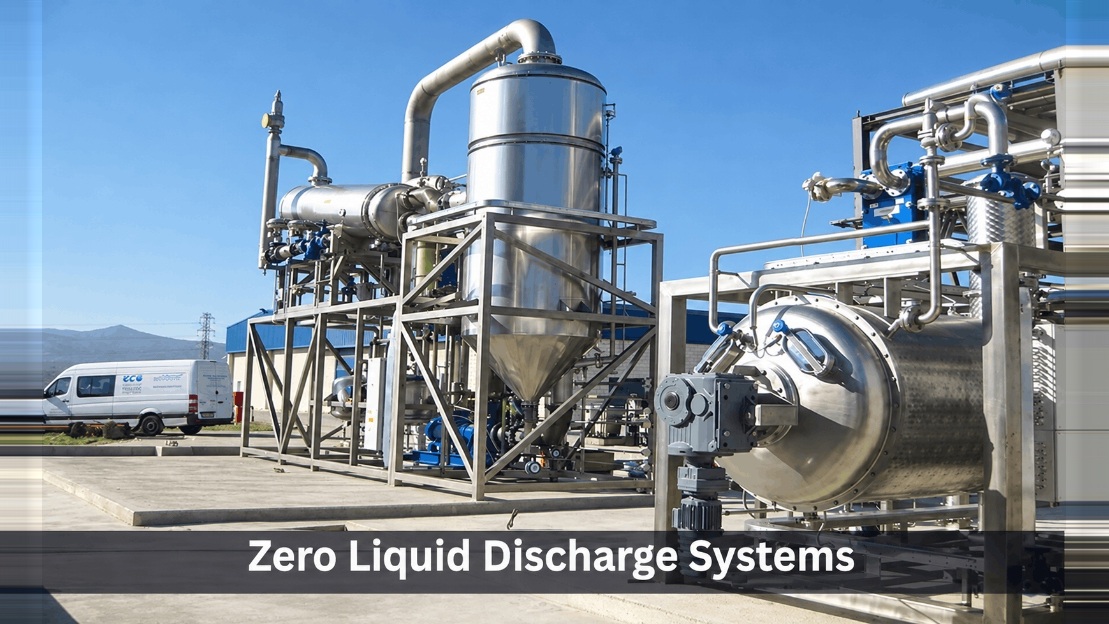
An effluent treatment plant may remove pollutants effectively, yet valuable water can still leave the production cycle. A Zero Liquid Discharge ETP goes further by combining wastewater treatment, water recovery and concentrate management to minimise water losses and eliminate routine liquid effluent discharge within its defined treatment boundary.
However, installing a ZLD system is only the beginning. Better results depend on understanding wastewater, controlling contamination and making recovered water useful inside the factory.
What Makes a Zero Liquid Discharge ETP Smarter?
A smarter ZLD ETP matches the treatment process to the wastewater entering it and the quality required for reuse.
Depending on the application, treatment may include physical and chemical processes, biological treatment, filtration, reverse osmosis and thermal concentration. The remaining concentrated liquid requires further treatment to achieve ZLD, while separated solids need appropriate handling. The U.S. Department of Energy describes ZLD technologies as processes that aim to eliminate the liquid remaining in brine.
The goal is to recover usable water consistently while keeping energy consumption, chemical use and maintenance under control. A plant that achieves high recovery but suffers frequent breakdowns may deliver less practical value than its design suggests.
Find Out Where Your Water Is Going
Before changing equipment, understand the factory’s water balance.
Record how much freshwater enters the site, where it is used, how much wastewater reaches treatment and where recovered water returns. Include losses through evaporation, leaks, wet sludge, cleaning and water carried away with products.
This helps answer several useful questions:
- Which production activity consumes the most water?
- Are relatively clean streams mixing with highly contaminated effluent?
- Is recovered water being reused or sitting in storage?
- Does wastewater generation increase during particular shifts?
- Are leaks creating an unnecessary treatment load?
Without these measurements, an industry may expand its treatment plant while avoidable water waste continues upstream.
Keep Different Wastewater Streams Separate
All wastewater does not require the same treatment.
A lightly contaminated rinse stream can have very different characteristics from a concentrated chemical wash. Combining them may increase the volume that needs intensive treatment.
Assess whether streams can be collected separately based on their salt content, organic load, oil, metals and other relevant contaminants. Suitable streams may support direct reuse or simpler treatment, subject to verified quality requirements.
Segregation also makes unusual contamination easier to trace. When everything enters one common drain, identifying the source of a sudden treatment problem becomes much harder.
Give Pretreatment the Attention It Deserves
Water recovery equipment performs better when its incoming water stays within design limits.
Suspended solids, oil, hardness and other contaminants can interfere with membranes and downstream equipment. Weak pretreatment can lead to frequent cleaning, reduced output and inconsistent operation.
The correct pretreatment arrangement depends on representative wastewater testing. It may involve equalisation, pH adjustment, oil separation, coagulation, biological treatment, softening or filtration.
Equalisation is especially useful when production generates changing flows and pollutant concentrations. It helps smooth variations before wastewater reaches sensitive treatment stages. Review pretreatment whenever production chemicals, raw materials or manufacturing processes change. Yesterday’s treatment settings may no longer suit today’s effluent.
Improve Recovery Without Overloading the System
Increasing membrane recovery can reduce the volume sent for concentrate treatment, but pushing recovery beyond suitable operating limits can create scaling and reliability problems.
As water is recovered, dissolved substances become more concentrated in the remaining stream. The practical limit depends on water chemistry, temperature, membrane design and scale control.
Rather than chasing an impressive recovery percentage, monitor whether the system maintains stable performance over time.
Useful operating indicators include membrane pressure, differential pressure, permeate flow, conductivity and cleaning frequency. Compare readings under equivalent conditions, because changes in temperature or feed quality can affect performance. Recovery should increase through informed process improvements, supported by testing and equipment specifications.
Treat Energy as Part of the Water-Saving Plan
A ZLD system can save freshwater while consuming substantial energy. Both sides deserve attention.
Thermal treatment requires careful evaluation of the volume and composition of concentrate, available utilities and opportunities for heat recovery. The Department of Energy notes that thermal desalination can recover some energy during condensation, although heat losses remain.
Practical improvements may include maintaining heat-transfer surfaces, repairing insulation, improving condensate recovery and evaluating suitable waste-heat sources.
Measure energy consumption alongside recovered water volume. This makes it easier to see whether an operating change actually improves efficiency or simply shifts the cost elsewhere.
Give Recovered Water a Clear Destination
Recovered water delivers value when it replaces freshwater in a suitable application.
Create a reuse plan before deciding on final treatment quality. Potential applications include washing, cooling and selected production processes, but each has different requirements. EPA guidance recognises industrial uses such as cooling and process water as applications for water reuse.
Check parameters relevant to the destination, including salts, hardness, organics and microbiological quality where applicable. Boiler feed and product-contact uses may need additional treatment and stricter verification.
Separate storage and clearly identified distribution lines help operators manage water according to its intended use. Provide a way to hold or retreat water that fails quality checks.
Use Monitoring to Catch Problems Early
Automation becomes useful when it turns measurements into clear operating decisions.
Track flow, tank levels, pH, conductivity, pressure and temperature at appropriate points. Set alarms around validated operating limits and establish what operators should do when an alarm occurs.
A conductivity change, for example, may indicate a change in dissolved salt concentration, but it does not reveal every contaminant. Instrument readings should be supported by laboratory testing and routine calibration.
Review trends rather than relying only on isolated readings. Gradual deterioration can be easier to recognise in a weekly performance record than during a busy shift.
Remember That ZLD Still Produces Residues
Zero liquid discharge does not mean zero waste.
Sludge and separated salts remain part of the process. Their composition determines how they should be stored, transported, reused or disposed of under applicable requirements.
Do not assume recovered salts are automatically suitable for sale. Mixed salts and contamination may limit their usefulness. Include residue testing and handling costs in the overall operating plan.
Turn Water Recovery into Everyday Performance
A smarter Zero Liquid Discharge ETP starts with a simple discipline: measure, understand and improve.
Effective Industrial wastewater treatment solutions reduce unnecessary water use at the source, protect treatment equipment with suitable pretreatment, recover water within reliable operating limits and connect that recovery to real factory demand.
The most useful measure of success is how much suitable freshwater the system replaces consistently—and what it costs to achieve that result. When treatment and production work together, wastewater becomes a resource that supports more dependable operations.