Energy Savings in RO Systems: How to Reduce Power Consumption in Industrial Water Treatment
SWT
Senkar Water Tech Experts
Water Treatment Expert
Mar 13, 2026 • 4 min read
Learn how to achieve energy savings in RO systems with proven strategies to reduce power consumption, lower costs, and improve industrial water treatment efficiency.
In today's industrial landscape, rising energy costs and increasing environmental concerns have made efficiency a top priority. Reverse Osmosis (RO) systems, widely used for water purification, are known to be energy-intensive. However, with the right strategies and technologies, achieving significant energy savings in RO systems is not only possible but also essential for sustainable operations.
For industries dealing with high Total Dissolved Solids (TDS) water, optimizing power consumption can lead to substantial cost reductions while improving overall system performance. In this blog, we explore practical ways to achieve energy savings in RO systems and how Senkar Water Tech helps industries implement efficient water treatment solutions.
Understanding Energy Consumption in RO Systems
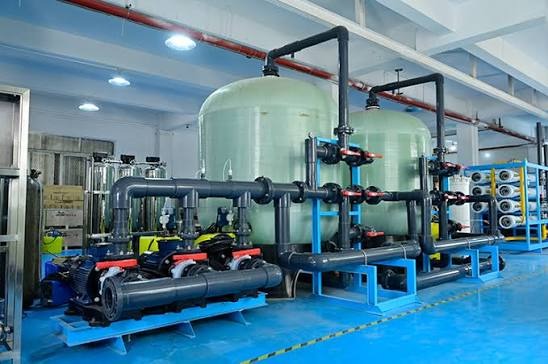
RO systems work by applying pressure to force water through semi-permeable membranes, separating impurities from clean water. This pressure-driven process requires significant electrical energy, especially in industrial applications handling high volumes and high TDS levels.
The key contributors to energy usage include:
High-Pressure Pumps
The primary energy consumers in RO systems, requiring high pressure to overcome osmotic barrier.
Sub-optimal hydraulic design or incorrect recovery targets lead to unnecessary energy waste.
Membrane Fouling
Fouled or scaled membranes increase transmembrane pressure requirements over time.
Without proper optimization, these factors can lead to excessive power consumption. That's why focusing on energy savings in RO systems is critical for industries aiming to reduce operational costs.
•Lower Carbon Footprint: Less energy consumption reduces plant greenhouse gas emissions.
•Improved System Lifespan: Optimized operation reduces mechanical wear and tear.
•Regulatory Compliance: Easily meet corporate and government sustainability targets.
Proven Strategies to Achieve Energy Savings in RO Systems
1. Optimize System Design
An efficient RO system starts with the right engineering. Proper sizing of pumps, membranes, and piping ensures minimal hydraulic friction and pressure drop.
Avoid overdesigning or underdesigning pressure specifications
Select low-energy (LE) membranes suited for feedwater quality
Maintain optimal hydraulic recovery rates across stages
2. Use Energy Recovery Devices (ERDs)
Energy Recovery Devices are one of the most effective ways to reduce power consumption in industrial RO plants.
Recover reject energy: Capture high-pressure energy from the brine stream
Reuse energy: Transfer hydraulic power back into feedwater stream
Up to 60% savings: Achieve dramatic reductions in overall electrical demand
3. Implement Variable Frequency Drives (VFDs)
VFDs allow high-pressure feed pumps to operate at variable speeds based on real-time flow and pressure requirements.
Adjust pump RPM to match exact daily throughput demand
Eliminate throttling valve energy losses during low-demand periods
Provide soft-start protection to extend pump motor lifespan
4. Regular Maintenance and Monitoring
Proactive maintenance prevents gradual energy degradation caused by foulants and scaling.
Clean membranes regularly before differential pressure rises excessively
Track normalized permeate flow and salt rejection rates in real-time
Schedule preventive pump seal and motor maintenance
5. Optimize Operating Parameters
Fine-tuning daily operating conditions delivers immediate energy reductions.
Balance recovery percentage with scaling limits to minimize feed pressure
Utilize minimum required pressure for target permeate conductivity
Automate parameter adjustments based on online feed temperature & TDS
How Senkar Water Tech Helps Achieve Energy Savings
At Senkar Water Tech, we specialize in designing and implementing energy-efficient RO systems tailored to industrial needs. Our comprehensive approach includes:
Energy Audit & Analysis
Detailed assessment of your existing RO system to pinpoint specific pressure losses and energy-saving opportunities.
Custom System Design
Engineered RO plants designed from the ground up for maximum hydraulic efficiency and lowest kWh/m³ consumption.
Advanced Technology Integration
Seamless installation of high-efficiency ERDs, VFDs, low-energy membranes, and automated PLC control loops.
Ongoing Support & Optimization
Continuous remote monitoring, chemical cleaning support, and audit verification to sustain long-term savings.
Conclusion: Maximizing Energy Efficiency in RO Systems
Achieving energy savings in RO systems is not just about installing the right equipment—it's about taking a holistic approach to system design, operation, and maintenance. By implementing the strategies outlined above, industries can significantly reduce power consumption while maintaining high water quality standards.
The benefits extend beyond cost savings to include improved sustainability, better regulatory compliance, and enhanced operational reliability. As energy costs continue to rise and environmental regulations become stricter, investing in energy-efficient RO systems is becoming increasingly essential for industrial competitiveness.
Ready to Reduce Energy Costs in Your RO System?
Contact Senkar Water Tech today for a comprehensive energy audit and customized solution that delivers measurable power savings and improved performance.